
Structural Fixes Before Complete Replacement
Deck & Fence Repair in Charlotte for outdoor structures showing rot, instability, or component failure
Loose deck boards, leaning fence sections, and rotted support posts signal structural problems that worsen quickly once moisture penetrates the wood, and addressing those failures early often prevents the need for complete reconstruction. Premier Fencing & Decking Solutions performs structural safety inspections and targeted repairs across Charlotte properties where aging outdoor structures still have serviceable components worth preserving. Replacing damaged joists, resetting fence posts, and reinforcing gates extends the functional life of existing decks and fences at a fraction of full replacement costs, provided the damage has not spread throughout the entire structure.
Deck repairs typically involve removing deteriorated boards to access underlying joists, evaluating structural framing for rot or insect damage, and replacing compromised components before reinstalling decking surfaces. Fence repairs address leaning posts by excavating around the base, resetting them in fresh concrete, and ensuring vertical alignment before soil backfill. Gate adjustments correct sagging by tightening hinge hardware, adding diagonal bracing, or replacing hinges that have bent under repeated use.
Schedule an inspection to identify which components require replacement and which remain structurally sound enough to keep.
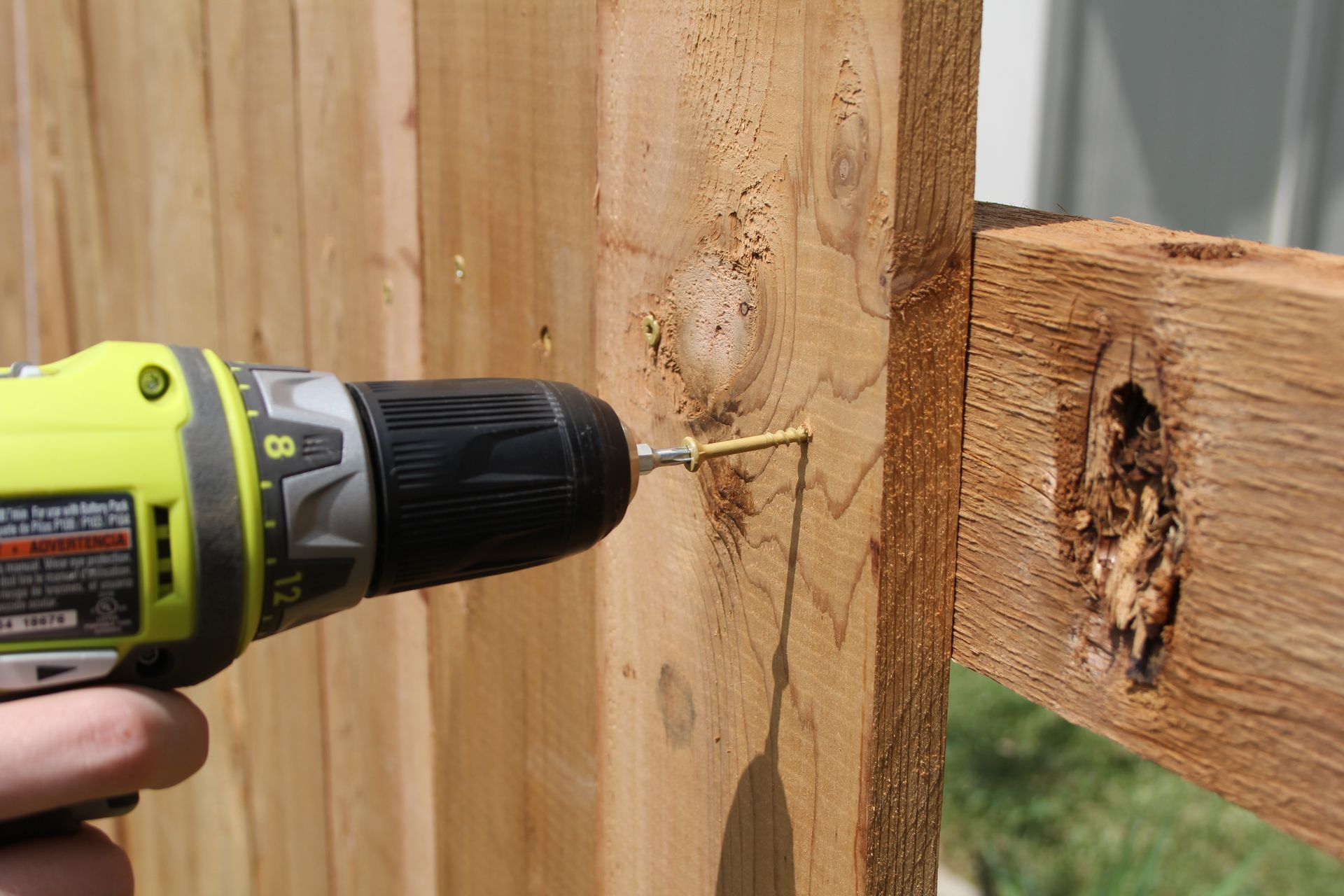
How Repairs Address Structural Deterioration
Structural inspections begin with identifying the extent of rot or damage by probing wood with a screwdriver to test for soft spots, checking fastener integrity where boards attach to framing, and evaluating whether foundation elements like posts or footings have shifted. Joist replacement requires temporary support of the deck surface while damaged framing is removed and new pressure-treated lumber is installed with corrosion-resistant joist hangers. Fence post repairs involve digging out old concrete, cutting the post below the rot line, and setting a new section in fresh concrete that extends below the frost line to prevent future shifting.
Once repairs complete, you notice that deck surfaces feel solid underfoot without flexing or bouncing, fence lines stand vertically without leaning, and gates swing freely without binding or dragging on the ground. Replaced boards match the existing structure in dimensions and material type, though new wood initially appears lighter in color until weathering evens out the tone. Structural reinforcements often outlast the surrounding original components because new lumber and hardware start fresh while older sections continue aging.
Repair projects sometimes reveal that damage extends beyond initial observations, particularly when rot spreads through concealed joists or when insect activity has weakened adjacent posts. In those cases, a cost comparison between selective repairs and full replacement helps determine whether continuing to patch deteriorating structures makes financial sense. Charlotte's humidity and seasonal rain accelerate wood decay, so structures showing widespread soft spots or pervasive insect damage often benefit more from replacement than ongoing repairs.
What Property Owners Usually Ask
Repair decisions often hinge on understanding how much deterioration is acceptable to fix versus when replacement becomes the better investment. These answers clarify those decision points.
How do you determine whether a deck or fence can be repaired instead of replaced?
Inspections assess the percentage of damaged components, the condition of structural framing and posts, and whether the foundation elements remain sound. If more than half the structure shows rot or instability, replacement typically costs less than extensive repairs.
What causes fence posts to lean or rot at the base?
Posts rot where they contact soil and concrete because moisture wicks into the wood through end grain. In Charlotte, ground saturation during spring rains and poor drainage around post footings accelerate decay at the soil line.
Can you match new boards to existing weathered wood?
New pressure-treated lumber starts with a greenish tint that fades to gray as it weathers, eventually matching older boards within one to two seasons. Staining or painting can speed up the color-matching process if visual consistency matters immediately.
What structural problems require immediate attention versus those that can wait?
Loose or rotted joists that support walking surfaces, leaning fence posts that affect gate operation, and any component showing active insect infestation require prompt repair to prevent injury or further damage. Surface-level issues like peeling paint or minor board splits can wait until a planned maintenance cycle.
How long do repairs extend the life of aging structures?
Targeted repairs typically add three to seven years of serviceable life depending on how aggressively you maintain the structure afterward. Regular sealing, drainage improvements, and prompt attention to new damage prevent repaired sections from deteriorating as quickly as the original components did.
Premier Fencing & Decking Solutions provides detailed inspection findings that identify all damaged components, estimate repair costs, and compare those figures against replacement pricing so you can make an informed decision. Cost-effective alternatives to full replacement become clear once you understand which structural elements can be salvaged and which have deteriorated beyond practical repair.